
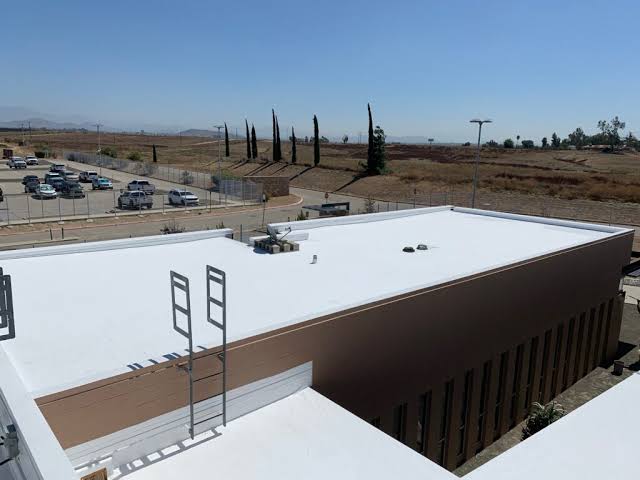
A full roof restoration can protect a property, improve appearance, and reduce recurring repair costs. However, visible defects rarely show the complete condition of a roofing system. Moisture may already affect timber, insulation, or ceiling surfaces before staining appears indoors. Age, previous patching, drainage faults, and coastal exposure all influence the decision. A careful assessment lets property owners compare immediate repairs with long-term protection, practical maintenance, and the likely cost of delaying essential work.
What Full Restoration Means
Full restoration commonly involves pressure cleaning, replacing damaged tiles, repointing, rebedding, sealing, and applying a protective coating. The correct process depends on the roof covering, drainage pattern, ventilation, and condition of underlying materials. Local weather also matters, particularly where salt air, intense sunlight, and heavy rainfall accelerate surface deterioration. Property owners considering roof restoration in Mornington should consult the experts about local roofing conditions for their projects. Regional advice can clarify whether surface treatment will solve the problem or conceal deeper failure.
Why Roof Condition Matters
Roof coverings lose strength after years of ultraviolet exposure, wind movement, temperature changes, and repeated wetting. Cracked tiles, loose ridge caps, and deteriorated mortar create entry points for rainwater. Minor leaks often appear as ceiling marks before insulation or framing shows damage. A thorough inspection establishes whether defects remain isolated or have spread across several roof sections. That finding usually determines whether limited repairs provide lasting value.
Repairs Versus Full Renewal
Minor repairs suit roofs with localised damage and sound surrounding materials. Consider broader restoration when several faults appear across connected areas. Repeated patching can increase labour charges while leaving ageing surfaces vulnerable. Earlier repair work may also conceal movement, corrosion, or failed bedding beneath visible layers. Treating related defects during one project can reduce the risk of another section failing soon after completion.
Signs That Broader Work Pays
Several warning signs suggest that a larger project deserves consideration:
- Water marks appear in multiple rooms.
- Tiles show widespread cracking, powdering, or surface loss.
- Ridge caps shift after strong weather.
- Mortar joints crumble during inspection.
- Coatings fade, peel, or absorb water rapidly.
- Gutters collect unusual quantities of roof debris.
One symptom may require a straightforward repair. Several findings may point to a broader maintenance issue that warrants professional assessment.
Financial Value Over Time
Full restoration can seem costly when compared to a minor repair invoice. However, it helps homeowners avoid repeat callouts, replacement materials, interior damage, and emergency attendance. Planned work also gives them the time to compare quotations, select compatible products, and schedule trades before severe weather arrives. The strongest financial decision considers expected service life, maintenance frequency, and possible consequential damage, rather than focusing solely on the lowest immediate price.
Protection Against Water Damage
Moisture is a major reason roof faults become expensive. Water can damage insulation, timber, plasterboard, electrical fittings, flooring, and stored belongings. Restoration improves resistance by repairing entry points, securing loose materials, and renewing protective layers. Effective drainage directs rainfall away from vulnerable joins and wall junctions. Preventing internal deterioration generally offers more value than repairing cosmetic damage after a leak goes unnoticed.
Comfort and Household Efficiency
Roof condition can influence indoor temperature, humidity, and air quality. Gaps, damp insulation, and inadequate ventilation make rooms harder to heat during colder months. Summer heat can enter through worn coverings and poorly sealed roof spaces. Restoration does not replace insulation upgrades, although it can support a drier, better-sealed structure. More stable indoor conditions may also reduce pressure on heating and cooling equipment.
Appearance and Property Plans
A tired roof can undermine an otherwise well-maintained property. Faded coatings, uneven tiles, stained surfaces, and broken ridge lines affect street presentation. Restoration can provide a cleaner finish without the cost of a full replacement. Owners preparing to sell may benefit from stronger visual appeal and fewer inspection concerns. Long-term occupants may value reduced maintenance, improved weather protection, and a more consistent exterior appearance.
Choosing the Right Scope
The right scope should reflect the roof’s actual condition, not a standard package. A qualified inspector should examine coverings, valleys, flashings, ridges, gutters, ventilation, and accessible framing. Written findings make quotations easier to compare. Each proposal should identify preparation methods, repair requirements, coating products, access arrangements, warranty terms, and expected maintenance. Clear documentation helps prevent low estimates from excluding work needed for a durable result.
Conclusion
A full roof restoration is worth considering when widespread wear, recurring leaks, ageing repairs, or moisture exposure make patching unreliable. Always decide after a detailed inspection and a transparent comparison of future costs. Sound coverings may benefit from cleaning, repairs, sealing, and protective treatment. Severely damaged materials may require replacement instead. Matching the project scope to actual conditions helps property owners protect the building, control maintenance expenses, and plan future work with greater confidence.

