
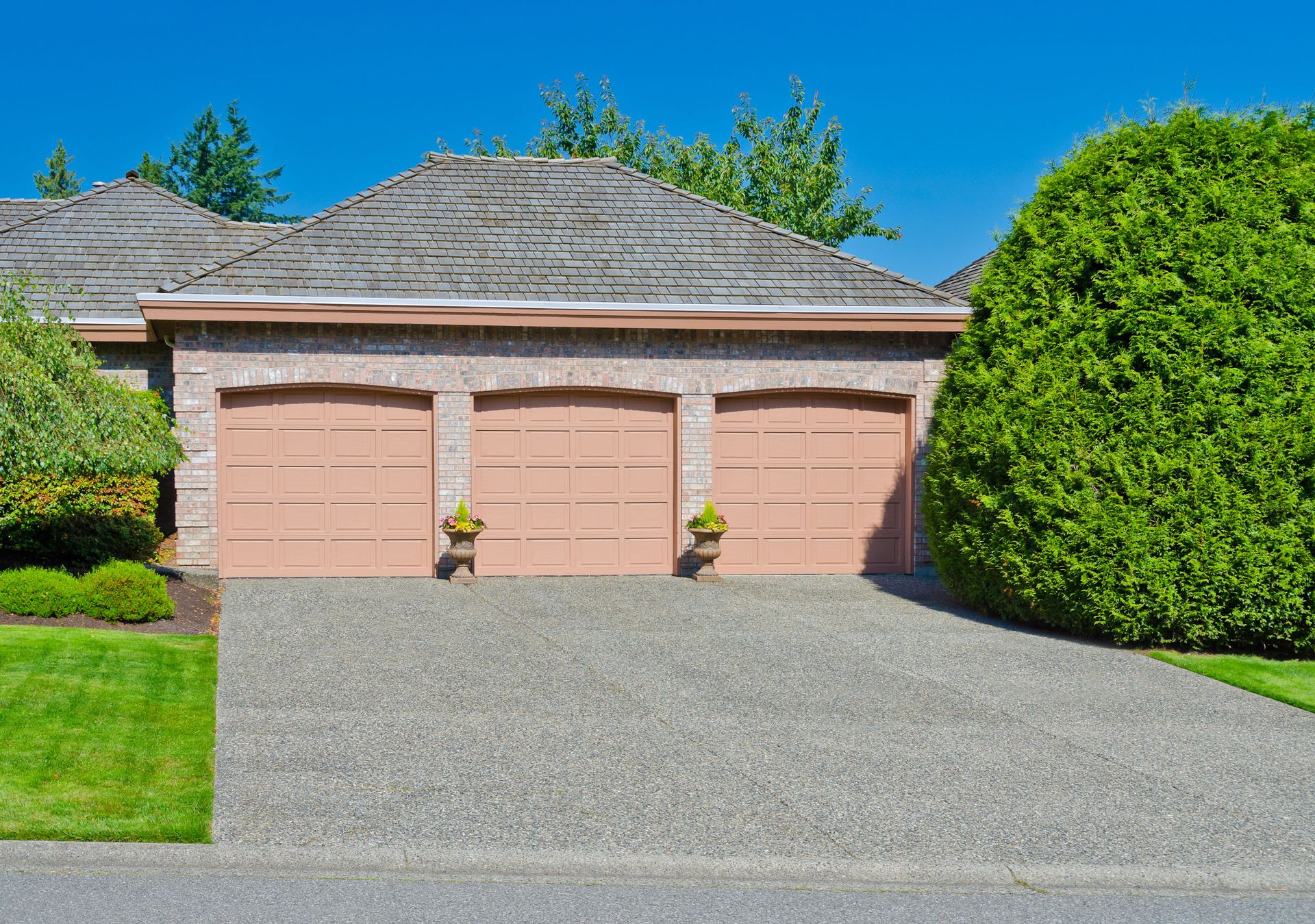
A driveway influences more than parking. It affects first impressions, walking safety, water movement, and the amount spent on repairs over time. Concrete provides a firm surface for regular vehicle loads, changing weather, and household traffic. Its appearance can also complement a home’s exterior without demanding constant attention. With sound groundwork, suitable reinforcement, controlled drainage, and correct curing, this surface becomes a practical improvement with lasting value.
A Strong First Impression
The entrance often sets the tone for the entire property. Clean edges, even levels, and a considered finish create visual order from the street to the garage. Exterior materials, frontage width, drainage needs, and vehicle patterns all shape a successful entrance. Homeowners comparing concrete driveways in Melbourne can review finishes suited to brick, render, stone, or weatherboard exteriors. Plain grey, coloured mixes, exposed aggregate, and stencilled surfaces each produce a distinct result.
Reliable Daily Performance
Repeated vehicle movement places stress on any entrance. Concrete distributes weight across a stable slab, limiting ruts, depressions, and loose areas that develop in gravel. A properly constructed surface can handle family cars, delivery vans, and occasional heavier vehicles. Steel reinforcement may provide additional support where turning movements, expansive soil, or frequent loading creates greater structural demand.
Lower Maintenance Demand
Daily care is straightforward. Sweeping clears grit, leaves, and soil, while periodic washing removes marks before they become ingrained. Unlike gravel, concrete does not require regular spreading or topping. Sealing may help protect decorative finishes from staining and weather exposure. Addressing small cracks early can also reduce moisture entry and limit further deterioration around vulnerable edges or joints.
Better Weather Resistance
Melbourne’s climate exposes driveways to intense sunlight, heavy rainfall, cool mornings, and abrupt temperature shifts. Concrete performs well under these conditions when placement follows sound construction practice. Correct falls guide water away from walls, garages, and pedestrian areas. Control joints give the slab planned points for movement, reducing the likelihood of irregular cracking across broad sections.
Flexible Design Choices
A concrete surface can suit restrained or decorative architecture. Plain finishes create a quiet, uniform appearance around contemporary homes. Coloured concrete brings warmth to darker brick or neutral render. Exposed aggregate adds texture and improves visual contrast, while stencilling can echo pavers, masonry, or natural stone. These options allow a cohesive frontage without sacrificing strength or routine practicality.
Improved Property Appeal
Front-of-house condition influences how visitors and prospective buyers read a property. An even driveway suggests attentive upkeep and creates a defined transition between roadway, garden, and entry. It can also replace muddy verges or scattered gravel with an organised parking area. That improvement may strengthen presentation during inspections, particularly where the frontage is visible from nearby streets.
Safer Vehicle Access
A stable driveway gives tyres and foot traffic more predictable contact. Reduced loose material means fewer stones can shift beneath wheels or enter garden beds. A broomed or textured finish may improve traction during rain without creating an uncomfortable walking surface. Clear boundaries around parking zones can also help residents, guests, children, and delivery workers move through the frontage with greater confidence.
Practical Value Over Time
Installation price should be considered alongside recurring maintenance. Gravel may cost less initially, yet weeds, displacement, dust, and surface replenishment create ongoing work. Asphalt can need sealing and repairs as heat, moisture, and age affect its binder. Concrete commonly offers a long service period when the base, thickness, joints, and drainage suit site conditions. That extended use can improve the cost balance across many years.
Preparation Determines Results
Long-term performance begins below the visible slab. Unsuitable soil must be removed, the foundation compacted, and the base graded to support expected loads. Thickness should reflect vehicle weight, turning areas, slope, and ground behaviour. Reinforcement can help manage movement, although it cannot correct poor preparation. Proper falls, edge support, and joint placement are equally important for controlling water and stress.
Installation Supports Long-Term Value
Experienced installers manage levels, forms, reinforcement, finishing, and curing as one connected process. They can identify drainage conflicts, access restrictions, weak ground, or boundary issues before pouring starts. Fresh concrete also needs protection from premature traffic and harsh conditions. Allowing adequate curing time helps the slab reach its intended strength, preserving the investment through daily use and seasonal exposure.
Conclusion
A concrete driveway improves practical access while adding structure to the property frontage. Its benefits include dependable load support, simpler cleaning, better pedestrian footing, controlled water flow, and a finish that can suit many homes. Results depend on more than the material itself. Ground preparation, slab thickness, reinforcement, joint design, drainage, finishing, and curing determine performance. Careful planning gives homeowners a stable entrance that remains useful and presentable for years.

