
Introduction
Smooth walls create a clean foundation for paint, wallpaper, lighting, and interior furnishings. They also help rooms appear brighter, larger, and better maintained. Achieving that result requires more than spreading material across a surface. Careful preparation, suitable products, controlled application, and patient drying all influence the final appearance. Professional plastering brings these elements together, helping property owners avoid visible ridges, cracking, loose sections, and uneven edges that can spoil an otherwise attractive renovation.
Start With a Proper Surface Assessment
For homes needing refreshed interiors, sound preparation matters before any coating reaches the surface. Local plastering work can address cracks, uneven boards, old finishes, and damaged corners through suitable methods. Choosing plastering in Ashford, Kent gives access to trained tradespeople familiar with domestic repairs and larger property projects. Clear communication also helps define scope, timing, protection, and finish expectations.
Prepare Walls Before Application
A durable finish begins with a clean, stable base. Dust, loose particles, grease, and flaking paint can prevent proper adhesion. Professionals inspect each area before removing weak material or filling gaps. Damp patches also require attention, since trapped moisture may cause bubbling, staining, or premature failure. Once the surface becomes sound, the next coating has a better chance of bonding evenly.
Choose the Right Plastering Method
Different wall conditions call for different techniques. Skimming can refresh an existing surface with a fine finishing layer, while floating helps level uneven masonry. Plasterboard may suit new partitions, extensions, or replacement sections. Dot and dab installation can secure boards against suitable backgrounds. Lime-based products may be appropriate for older buildings that need greater breathability. Method selection should reflect construction type, room use, and existing defects.
Apply Consistent Thickness
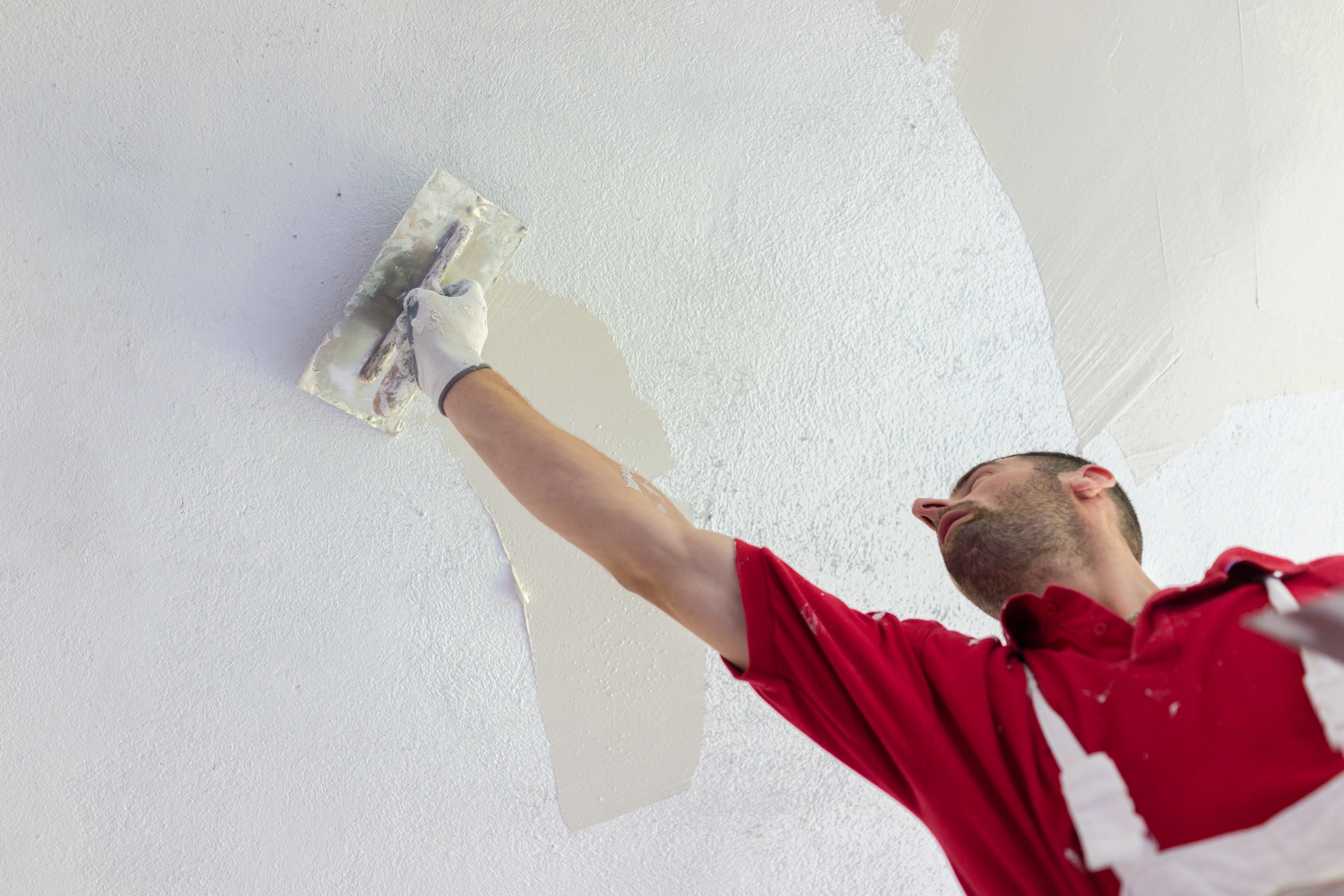
Uneven thickness often produces shadows, hollows, or visible ridges after decoration. Skilled tradespeople control pressure, coverage, and timing during each stage. They spread material across manageable sections, keeping joints and transitions neat. Straight edges help identify dips before the coat sets. Careful application also reduces the amount of sanding required later, protecting the surface from unnecessary abrasion.
Allow Correct Drying Time
Plaster needs time to release moisture gradually. Rushing decoration can trap dampness beneath paint, causing discolouration, peeling, or fine cracks. Ventilation should remain balanced, while intense heat can be avoided because rapid drying may weaken the surface. Drying speed depends on thickness, room temperature, airflow, and background condition. A professional can judge readiness before primers or finishing coats are applied.
Protect Corners, Ceilings, and Joints
Corners and junctions receive frequent knocks, making them vulnerable during everyday use. Beading can help create crisp lines and provide additional edge support. Ceiling connections also need careful treatment, especially where older materials meet new boards. Reinforcing tape may reduce movement-related cracking across joints. Attention to these details gives rooms a cleaner appearance and helps vulnerable points withstand ordinary household activity.
Control Dust and Site Disruption
Plastering can create dust, splashes, and waste without suitable preparation. Floor coverings, doorway protection, and careful material handling help limit disruption. Tools should be cleaned regularly, preventing hardened residue from affecting the finish. Work areas benefit from orderly storage, clear walkways, and planned access. A tidy site supports safer movement and makes final cleaning more manageable for occupants.
Check the Finish Before Decorating
Inspection should take place under strong, angled lighting because this reveals marks that ordinary room light may hide. Professionals check flatness, edges, joints, suction differences, and small pinholes. Minor corrections are easier before primer application. Once the surface passes inspection, a suitable mist coat can prepare fresh plaster for decorative paint. This step supports even absorption and reduces patchy colour.
Maintain Finished Walls
Good maintenance protects the result after completion. Small dents should be repaired quickly before moisture or repeated contact worsens the damage. Heavy fixtures need suitable plugs and careful installation, particularly on partition boards. Owners should also monitor bathrooms, kitchens, and external walls for signs of dampness. Prompt attention preserves appearance and helps prevent minor defects from becoming expensive repairs.
Conclusion
Smooth, durable walls depend on sound preparation, suitable materials, accurate application, controlled drying, and thorough inspection. Each stage affects how the finished surface looks and performs during daily use. Professional plasterers can identify hidden weaknesses, select appropriate techniques, and protect vulnerable details such as corners and joints. For property owners planning refurbishment, investing in skilled workmanship creates a reliable base for decoration, improves room presentation, and reduces avoidable repair costs over time.

