
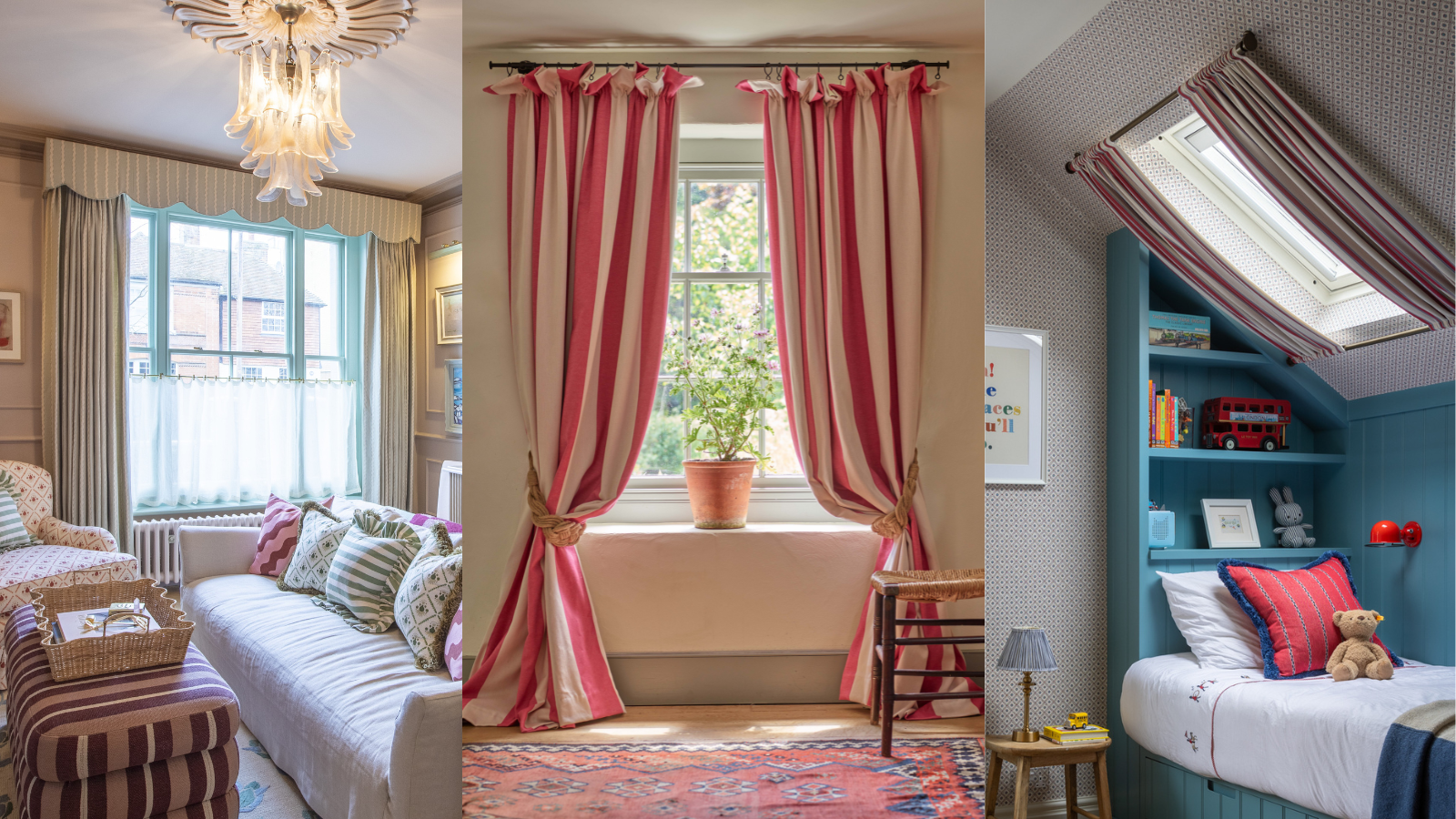
Suburban homes often balance open living areas, street-facing rooms, and practical family routines. Window treatments shape that balance by controlling sunlight, protecting privacy, and setting a room’s visual tone. Ready-made options in Warragul suit standard openings, yet they rarely address unusual proportions or changing light through the day. Custom blinds, curtains, and shutters give each room a considered finish while meeting its daily demands. The best results begin with a close look at the home’s layout.
Measure for Fit and Function
Before choosing a treatment, homeowners should assess room dimensions, window direction, nearby homes, and the furniture beneath each opening. For local projects, choosing a professional who specialises in blinds in Warragul helps frame practical decisions about window size, daylight, and privacy needs. A measured fit closes side gaps, clears handles, and keeps fabric or slats operating without rubbing against walls. Those details affect both appearance and everyday use.
Correct measurements also set the stack, drop, and clearance for a treatment. Recess-mounted blinds sit within the frame and keep a neat profile, but the recess must be deep enough. Face-mounted tracks cover shallow frames and extend past the opening, which reduces light leaking around edges. A site measure checks for architraves, skirting boards, window winders, and furniture that limit placement.
Match Treatment to Room Conditions
Different rooms place different demands on a window covering. North-facing glass receives hard summer sun, so a lined curtain or close-fitting blind reduces glare on screens and furnishings. South-facing rooms often need insulation after sunset, particularly where large panes sit beside seating areas. The chosen treatment should also suit the room’s moisture, traffic, and cleaning requirements. It must retain its shape season after season.
Living Areas and Bedrooms
A peaceful living room interior starts with the right window treatment. Living rooms benefit from treatments that soften reflections without blocking useful daylight. Sheer curtains filter direct sun and keep the room connected to a garden or street view. Blockout linings behind decorative curtains provide darkness for television viewing and add a thermal layer overnight.
Bedrooms require reliable privacy after dark. A blockout blind or lined curtain blocks external light, while a separate sheer preserves daytime privacy. Child bedrooms need cords kept out of reach, and a cordless or motorised arrangement removes a hanging loop.
Kitchens and Wet Areas
Kitchens and bathrooms need materials that cope with splashes, heat, and regular wiping. Aluminium, timber-look PVC, and moisture-resistant fabrics keep their finish with routine care. A treatment should leave enough space above a sink, cooktop, or basin, so daily cleaning remains straightforward.
Build Colour and Texture Into the Scheme
Colour should connect window treatments with elements, such as flooring, paint, and joinery. A neutral fabric can soften a room with pale walls, whereas a charcoal blind gives a clean line against light-coloured trims. Pattern works best when it has room to read, so it suits broad curtains better than narrow blinds. Samples should be viewed beside the window at different times of day.
Plan for Daily Operation
Daily use determines the most suitable control method. A wide, heavy curtain needs a track that glides smoothly, while a high window needs a reachable control or motor. Motorised treatments suit windows behind furniture and difficult-to-reach glass. Battery and wired options require a plan before installation, particularly where power points and charging access affect the finished room.
Manage Privacy and Street Appeal
Street-facing rooms require privacy without turning the home into a closed box. Top-down blinds, sheers, or plantation shutters screen direct sightlines while admitting daylight. The mounting position matters because a covering that stops above the sill leaves a visible gap. At night, interior lighting reverses the view, so bedrooms and living spaces need a more opaque layer that closes fully. This arrangement keeps the façade balanced.
Maintain the Finish Over Time
Custom treatments stay presentable when homeowners match care to the material. A vacuum brush removes dust from curtains, while a soft cloth cleans most blind slats. Manufacturers’ care instructions set limits for washing, steaming, and cleaning products. Quick attention to stains prevents permanent marks, especially near doors or in family rooms. During a seasonal check, homeowners should test brackets, chains, tracks, and hems for wear. Prompt repairs keep the treatment sitting square and operating as intended. Dry fabrics completely before rehanging them after cleaning to prevent mould and odour.
Conclusion
A brief gives a window-treatment project direction before fabrics or finishes are chosen. Homeowners should measure each opening, record its purpose, and note where sunlight or overlooking causes problems. They should then compare samples in the room and test how each treatment opens, closes, and cleans. A professional measurement confirms the details before an order is placed. That process produces treatments that fit the home, support everyday routines, and retain a polished appearance over time.

