
Introduction
Homeowners are weighing solar panels as energy costs, household needs, and environmental concerns shape renovation plans. Rooftop systems can generate electricity where it is used, reducing reliance on grid power during sunny hours. Their appeal also reflects clearer pricing, government assistance, and wider access to suitable equipment. A sound decision still depends on roof condition, daily consumption, and installation costs. Comparing these factors helps households judge whether solar fits their property and long-term plans.
Lower Upfront Costs
State assistance can reduce the initial price of a rooftop system, though eligibility and approved products shape the final amount. The solar rebate victoria page describes support of up to $1,400 for qualifying households, alongside income and property conditions. A rebate changes the purchase calculation, yet quote comparisons remain important because equipment, installation, and household demand affect total costs.
More Control Over Energy Use
Panels generate electricity during daylight, which can supply appliances running at home. This may help households use less grid power during those hours. Consumption patterns matter: families with daytime heating, cooling, laundry, or home-office equipment may use more generated energy directly. Evening-heavy routines can produce different results. Reviewing recent bills gives a clearer picture than relying on a general estimate.
Potential Bill Savings
Savings depend on system output, electricity rates, and how much generated power is used at home. Export payments may apply when surplus electricity flows back to the grid, though rates vary by retailer and plan. A careful estimate should separate expected bill reductions from export credits. This makes the financial case easier to compare with system price, ongoing charges, and the household’s likely usage.
Eligibility and Rebate Rules
Victoria’s published guidance describes a household income threshold below $210,000 and conditions involving property ownership and previous assistance. Requirements can change, so applicants should confirm current rules with the relevant programme before committing. Renters may also have options, subject to landlord consent and applicable criteria. Checking eligibility early can prevent delays and clarify what paperwork is needed before an installer submits a quote.
Roof Suitability
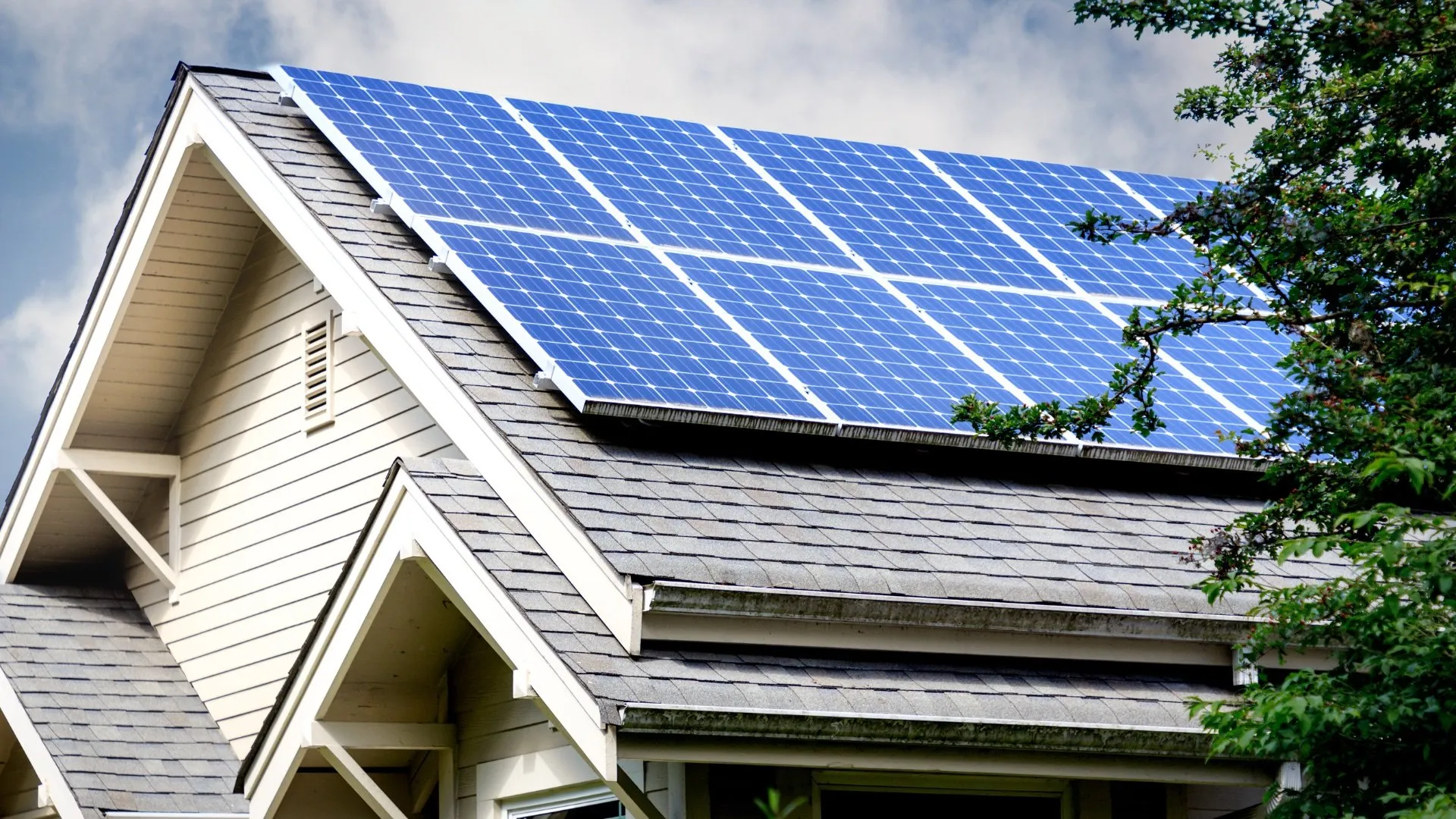
Roof direction, shade, available area, and structural condition all influence generation. North-facing sections often receive strong sunlight, while east- or west-facing layouts can suit homes with different demand patterns. Nearby trees, chimneys, or buildings may cast shadows that reduce output. An on-site assessment can identify practical limits and help determine whether repairs should happen before equipment is mounted.
Choosing System Capacity
A suitable system reflects annual consumption, daytime use, roof space, and budget. Bigger equipment can generate more electricity, but excess production may not deliver equal value if household demand is low. Inverter capacity also affects how generated power is converted for home use. Reviewing bills across several seasons can reveal changes in heating, cooling, and appliance use, supporting a more grounded size recommendation.
Batteries and Future Needs
A battery stores surplus daytime generation for later use, including evening hours. It can increase self-consumption, although its purchase price and expected service life affect overall value. Some households may prefer to install panels first and consider storage later. Future electric vehicle charging, added occupants, or new appliances can change energy needs, so planning should account for likely changes without oversizing today’s system.
Property Appeal
Solar equipment can be an attractive feature for buyers who value lower energy costs and on-site generation. Its effect on resale value varies by location, system age, condition, and buyer priorities. Clear records help: installation details, warranties, maintenance history, and recent electricity bills show how the equipment performs. A well-documented system can make its benefits easier for prospective buyers to assess.
Lower Household Emissions
Generating electricity from sunlight can reduce the amount a home draws from conventional grid sources. The precise emissions benefit depends on local electricity supply, system output, and household consumption. Panels also require materials and manufacturing, so their overall impact is not zero. For many households, producing renewable electricity at home offers a practical way to reduce reliance on higher-emission power sources over time.
Conclusion
Solar panels have gained attention because they can combine lower daytime grid use with potential bill savings and reduced household emissions. Rebates may ease the purchase price, while careful sizing helps align equipment with real demand. Roof suitability, eligibility, export rates, and future plans all deserve review before a contract is signed. With current information and clear quotes, homeowners can compare costs and decide whether a rooftop system suits their property.

