
Introduction
Industrial cleanliness depends on controlling movement through busy work areas. Open doorways can allow dust, insects, outdoor air, and airborne particles to enter production zones. Plastic barriers provide a practical method for separating rooms without stopping regular foot or vehicle traffic. They also support temperature control, hygiene procedures, and safer workflow management. For factories, food processors, warehouses, and cold storage sites, doorway protection can strengthen daily cleaning routines and reduce avoidable contamination risks.
A Practical Barrier for Busy Doorways
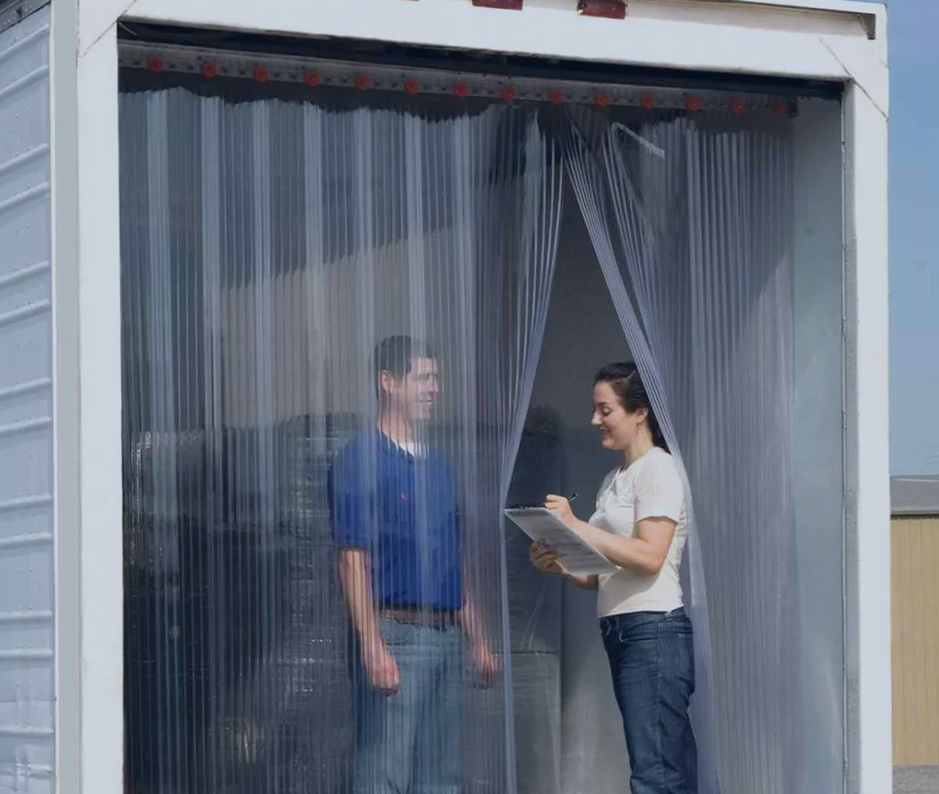
Industrial sites need access points that remain usable throughout each shift. Plastic strip curtains create a flexible barrier while allowing workers, carts, and forklifts to pass through. Clear PVC sections permit visibility between adjoining areas, helping staff identify approaching traffic. Individual strips close after movement, limiting the transfer of airborne dust and outside debris. This balance supports productive operations without requiring repeated manual opening and closing.
Reducing Dust Transfer
Dust can enter through loading bays, workshops, and external passageways. Flexible strips interrupt direct airflow across these openings, helping contain particles near their source. This action can support housekeeping teams by reducing the amount of material carried into clean rooms. Regular sweeping and vacuuming remain necessary, yet doorway control gives those efforts a stronger foundation. Cleaner transitions also help protect stored goods, machinery, and exposed work surfaces.
Supporting Hygiene Controls
Food and Processing Areas
Food plants require clear separation between preparation rooms, storage spaces, and dispatch zones. PVC barriers help limit contact between internal work areas and external traffic. Their smooth surfaces can be wiped during scheduled sanitation tasks, provided suitable cleaning products are selected. Proper fitting matters because gaps, damaged edges, or poorly maintained hardware can reduce protection. Site procedures should define inspection frequency, cleaning methods, and replacement triggers.
Managing Temperature Exchange
Open entrances can allow conditioned air to escape and unfiltered air to enter. Flexible door sections reduce the size and duration of that exchange, especially in chilled rooms and refrigerated storage areas. Lower air movement can help equipment maintain set temperatures with less strain. Performance depends on strip thickness, overlap, doorway dimensions, traffic volume, and local conditions. Correct measurement remains essential before installation begins.
Limiting Insects and Birds
Insects and birds may enter through wide openings near kitchens, warehouses, and receiving docks. A visual and physical barrier makes access more difficult while retaining convenient passage for authorised personnel. Coloured PVC options can offer added visibility where clear material blends into bright surroundings. These products should complement screens, sanitation programs, sealed storage, and pest monitoring. No single doorway measure replaces a complete control plan.
Improving Workflow Safety
Visibility is an important factor in crowded industrial areas. Transparent strips allow operators to see activity beyond an entrance before crossing the threshold. That awareness can reduce sudden encounters between pedestrians, vehicles, and moving loads. The material should remain free from excessive scratches, residue, and tears. Damaged sections can obstruct sightlines and require prompt replacement. Suitable warning markings may also assist visitors and new staff.
Selecting Suitable Materials
Different environments require different PVC specifications. Freezer rooms may need material that remains flexible at low temperatures, while welding areas require suitable screening for sparks and light exposure. Heavy traffic may call for thicker strips, stronger overlap, or a reinforced hanging system. Removable arrangements can simplify maintenance where frequent access is necessary. A measured assessment should consider heat, cold, chemicals, moisture, sunlight, and cleaning routines.
Maintaining Long-Term Performance
A simple maintenance schedule can preserve barrier efficiency. Staff should inspect hangers, fasteners, strip alignment, surface condition, and floor clearance. Cleaning teams need clear instructions that prevent residue buildup or material damage. High-contact entrances may need more frequent checks than quiet storage rooms. Replacement decisions should consider stiffness, splitting, shrinkage, clouding, and reduced overlap. Timely repairs help prevent small faults from affecting wider hygiene controls.
Conclusion
Plastic barriers provide a practical layer of protection for industrial buildings with frequent doorway activity. They help restrict dust, insects, birds, temperature loss, and uncontrolled airflow while preserving visibility and access. Their value increases when material selection, installation, cleaning, and inspection follow site conditions. Businesses can support cleaner operations by treating doorway control as part of a wider hygiene and safety program. Well-maintained PVC systems offer a straightforward improvement for busy facilities.

