
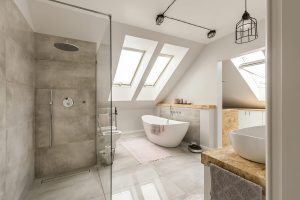
Bathroom tile selection affects grip, cleaning, moisture control, comfort, and the way a room feels each morning. A sound renovation starts by matching each surface to its workload, from splashback walls to shower floors. Size, finish, colour, grout, and layout all influence performance. Careful choices also reduce waste, repair costs, and installation delays. Good planning gives our bathroom a finish that feels calm, practical, and built for daily use.
Start With Use
A main bathroom faces steam, soap, bare feet, and frequent cleaning. Before comparing bathroom tiles in Melbourne ranges, homeowners should note who uses the room, how often it gets wet, and where slipping may occur. Shower floors need grip, while vanity walls can carry finer detail, gloss, or pattern with fewer safety concerns.
Check Slip Resistance
Floor grip deserves early attention. Wet skin, shampoo residue, and smooth glazed surfaces can create fall risk near baths or open showers. Matte, structured, or lightly textured finishes usually provide steadier footing. Product slip ratings should be checked before purchase, especially for family homes. Once safety is settled, colour and shape can be chosen with greater confidence.
Choose the Right Material
Porcelain is a strong choice for wet rooms because it absorbs very little water and resists surface wear. Ceramic suits walls, niches, and lower-traffic zones. Natural stone brings variation, though sealing and gentle cleaners are part of ownership. Concrete-look tiles offer an industrial mood without poured material issues. The right option fits the room, not just the sample board.
Match Size to Space
Tile size changes both appearance and installation. Large formats reduce grout joints, which can make compact bathrooms feel quieter. Mosaics help shower bases follow drainage falls and add useful traction. Medium formats often suit older walls that are not perfectly straight. A balanced scale matters since an oversized piece may crowd a narrow en suite.
Study Colour and Light
Colour should be tested in the actual room. Pale tones reflect daylight and can visually open tight areas. Dark surfaces add depth, yet they often show droplets, lint, and mineral marks. Warm neutrals soften white fixtures, while cooler greys suit chrome or steel finishes. Samples need checking under morning sun, evening light, and the bulbs planned for use.
Plan Grout Early
Grout is a design element and a maintenance choice. A close colour match creates a quieter field, while contrast makes every joint visible. Narrow lines look precise, but they rely on accurate walls and skilled laying. Wider joints can suit handmade edges. Epoxy grout costs more, although it resists staining well in showers and around basins.
Think About Layout
Layout controls rhythm before fittings arrive. A stacked pattern feels orderly and modern. Brickbond softens straight lines, particularly with rectangular shapes. Herringbone gives movement, but it adds cutting, waste, and labour time. Feature walls work best with restraint. One well-placed area, such as a shower back wall, usually reads better than several competing patterns.
Balance Texture
Texture needs purpose. A rough floor may trap soap film if cleaning is rushed. Deep ribbing near basins can hold toothpaste spray and mineral deposits. Gentle surface variation gives shadow, grip, and interest without creating daily frustration. Many successful bathrooms use smoother wall tiles with safer floor finishes, keeping comfort and cleaning in balance.
Budget Beyond the Box
The sticker price rarely reflects the full spend. Adhesive, grout, trims, waterproofing, delivery, labour, and waste all affect the budget. Complex patterns take longer to cut and align. Large panels may need extra hands or special handling. Ordering spare stock helps cover breakage and later repairs. Standard layouts often need about ten per cent extra material.
Coordinate With Fixtures
Tiles should be reviewed along with tapware, cabinetry, basins, mirrors, and lighting. Brass, chrome, black, and brushed nickel each shift how nearby colours appear. Timber vanities work well with stone tones, off-white surfaces, or muted green. Strong monochrome schemes often need warmth from towels, joinery, or softer bulbs. A sample board prevents costly mismatches.
Check Maintenance
Maintenance should suit real routines. Gloss wall tiles wipe clean easily, though streaks may appear under bright light. Matte floors hide footprints better, but some textures need firmer scrubbing. Stone requires compatible products because acidic cleaners can harm sealers. Busy households often benefit from low-porosity surfaces, mid-tone grout, and finishes that forgive everyday marks.
Order With Confidence
Final checks protect the renovation and tiling schedule. Measurements, batch numbers, delivery dates, return rules, and product codes should be confirmed before payment. Several pieces from one range should be viewed together, since shade movement may be intentional. Keeping records helps with future repairs. Clear timing also lets tilers, plumbers, and cabinetmakers work in the correct order.
Conclusion
Selecting bathroom tiles is a practical health, safety, and design decision, not a quick colour choice. The best scheme supports traction, hygiene, light control, cleaning, and long-term value. Homeowners should test samples in place, then weigh appearance against installation and care needs. With steady planning, each surface can perform well for years. A considered selection gives the bathroom a composed, useful, and lasting finish.

